Research at the CSL
If you are interested in participating in clinical research with the CSL, links to volunteer can be found under the description of each study, or by clicking the study title and study image.
This page is about ongoing research projects at the Cannabis Science Lab. For information about past research, please visit our Publications page.
Clinical Research Studies

This study aims to evaluate the interaction of D-Limonene (Limonene) and Delta-9-Tetrahydrocannabinol (D-9-THC). Limonene is a flavor/fragrance component found in many plants, including cannabis as well as citrus fruits (like lemons and oranges). D-9-THC is the main part of the cannabis plant that produces a “high”. Prior research demonstrates that vaporized limonene can reduce some of the adverse effects of THC - this study will examine whether orally administered limonene can lessen the effects of orally administered THC when the two are consumed together. The results of this study will increase our understanding of the effects these substances produce and can be used to inform cannabis policy and the development of new medications.
If you are interested in participating in this study, please click here!
-
Participants must be at least 21 years old and have prior experience using cannabis/THC. This study will consist of 7 visits to the lab (located at the Bayview Medical Center). Participants will first complete 1 screening visit (lasting 2 - 3 hours) to determine eligibility. Participants that are eligible and agree to be in the study will complete 6 drug administration sessions, each lasting about 9 hours. Participants will consume oral capsules that have THC, Limonene, or placebo and then complete various tests to measure the interactive effects of the active ingredients. You can earn up to $2330 for completing this study.

This study aims to measure the effects of vaporized cannabis and alcohol, separately and together, on your ability to perform certain tasks such as driving, balancing, eye tracking, short-term memory, and attention. Through collecting blood and breath samples after cannabis and alcohol are taken, we will be able to see if these are markers that can predict how you do on the tasks. The results of this study will help us better understand the effects of using cannabis and alcohol, and to help identify behaviors and/or activity in the body that relate to impairment.
If you are interested in participating in this study, please click here!
-
Participants must be at least 21 years old. The study will require 9 total visits to the lab (located at the Bayview Medical Center). Participants will first complete 2 screening sessions (each lasting between 1 ½ -3 hours) to determine study eligibility. Participants who are eligible and agree to be in the study will complete 7 drug administration sessions, each lasting about 8 hours. In these sessions, participants will vaporize cannabis and consume alcohol and then complete various tests to measure different aspects of performance. You can earn up to $2660 for completing the study.

The purpose of this study is to learn more about the short-term effects of oral cannabis products, which are also called edibles. We are interested in studying how different formulations of cannabis edibles affect your ability to perform certain tasks such as balancing, short-term memory, and attention. This research also is being done to understand if these different formulations change how THC moves through your body. This research is becoming more important because there is a growing interest in the use of cannabis edibles for health conditions or recreational use, and these products are now available in a variety of formulations. The results of this study will help us better understand whether the effects someone feels from using cannabis edibles or if the amount of THC they get into their system differs based on the formulation they use.
If you are interested in participating in this study, please click here!
-
This research is being done to study whether different cannabis edibles such as drinks, gummies, and brownies change how much THC is delivered to people who use them or change the effects they feel. This research is important because there are many new cannabis products coming on the market but there is not much research to understand if product formulation alters THC delivery or cannabis effects. This research will help us understand more about the effects of cannabis edibles which may help inform policies regarding cannabis edible formulations and appropriate dose delivery. The information gained from this study will add to other studies that have been done to determine the effects of THC from other cannabis products.
Participation will include a 3-hour screening visit and 9 in-person sessions that last about 9 hours, each spaced 1 week apart. Healthy adults ages 21-55 may join. Total compensation for completing this study is $3,230.

The purpose of this study is to evaluate the effects of oral cannabidiol (CBD) compared to a placebo on smoking cessation.
If you are interested in participating in this study, please click here!
-
People aged 18-65 years who are current daily tobacco smokers with an interest in quitting may join. The study will take place on the Johns Hopkins Bayview Medical Center campus at the Johns Hopkins Behavioral Pharmacology Research Unit. If you qualify and choose to take part in this study, compensation of up to $615 can be earned for completing all portions of the study procedures and following all study requirements.
Study Participation consists of:
21 experimental test sessions over the course of 6 weeks. The study will be completed in 3 phases, each lasting 2 weeks. Study weeks 1, 3, and 5 will be baseline weeks, during which you will smoke cigarettes as you normally would. Study weeks 2, 4, and 6 will be simulated quit attempt weeks, during which you will be asked to attempt to quit smoking cigarettes. You will be at the BPRU for up to2 hours during each study visit, though most sessions will be about 30 minutes.

Classic psychedelics have shown promise as treatments for a variety of related disorders, and a correlation between the presence of a “mystical experience” following psychedelic use and associated therapeutic response has been reliably observed. The purpose of this study is to determine the potential for psychoactive drugs to yield a psychedelic experience under the “set” (expectancy) and “setting” (context) conditions that are currently considered best practices for psychedelic drug administration. During each session, you may be given one of the following: placebo, psilocybin, ketamine, dextromethorphan, DMT, MDMA, or THC.
If you are interested in participating in this study, please click here!
-
Participation involves an in-person screening visit, two brief meetings with study members who will accompany you during sessions, and 6 experimental drug administration sessions. Meetings before drug administration sessions are designed to increase your sense of comfort during these sessions. During each session, you may be given one of the following: placebo, psilocybin, ketamine, dextromethorphan, DMT, MDMA, or THC.
You may receive up to $2380 for completing all study procedures.
Eligibility requirements:
Age 25-55
Are a healthy individual
Prior use of psychoactive drugs
Ability to attend up to 15 in-person appointments over 6-10 weeks

This research is being done in collaboration with the Realm of Caring Foundation, a nonprofit organization dedicated to therapeutic cannabinoid research and education. The purpose of this research is to examine the health effects of medicinal cannabis use by surveying people who have a variety of health problems, and comparing individuals who do and don’t use cannabis. This study is open to adult patients as well as caregivers of dependent patients who have health problems and either are or are considering the use of cannabis as an alternative treatment.
If you are interested in this study, please refer to this page!
-
We hope to learn more about how therapeutic use of cannabis/hemp product impacts people’s quality of life. This study involves simple questionnaires and surveys about cannabis/hemp use, other medications, and general health. Realm of Caring and Johns Hopkins use this information to improve education efforts and better understand benefits and risks of cannabis.
You do not need to be a cannabis/hemp user to participate. To enroll, volunteers complete a questionnaire, then a shorter follow-up survey every three months. Each completed survey grants participants a choice of incentives (e.g. coupon codes or raffle entries).
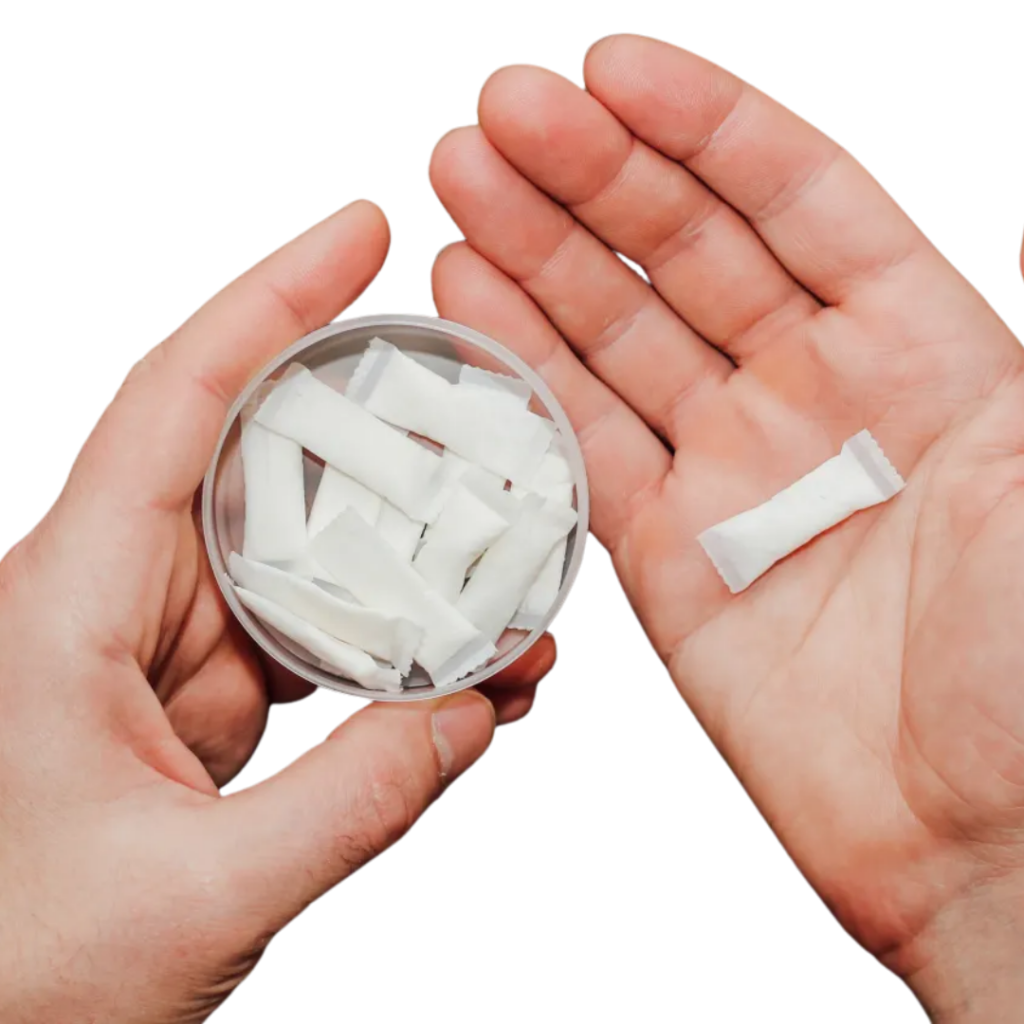
The purpose of this study is to learn more about the effects of using oral nicotine pouches. There has been a rise in the use and availability of various alternative tobacco products, including oral nicotine pouches that contain a nicotine powder instead of tobacco leaves. However there is little research that evaluates the effects of these alternative tobacco products. This research aims to help guide future regulatory decisions for nicotine pouches. If you are a current smoker, or if you have used a Nicotine product at any point, you may be eligible to join this study
If you are interested in participating in this study, please click here!
-
Participants must be at least 21 years old. The study will require 2 total visits to the lab (located at the Bayview Medical Center). Participants will first complete 1 screening sessions (lasting about 2 hours) to determine study eligibility. Participants who are eligible and agree to be in the study will complete 2 Nicotine pouch administration sessions, each lasting about 6 hours. In these sessions, participants will use Nicotine pouches and then complete various tests to measure different aspects of performance. You can earn up to $530 for completing the study.
This study aims to characterize the ability of Pregnenolone to reverse the acute intoxication and associated symptoms of Cannabis. Pregnenolone is a naturally occurring hormone that is available as an over-the-counter supplement and used for several health conditions unrelated to Cannabis. Through the administration of cognitive tasks and collection of blood samples, we may be able to determine Pregnenolone’s efficacy in reversing the symptoms associated with Cannabis intoxication. This study will pave the way for larger clinical studies that provide a foundation for the development of future medications that could be applied in emergency situations and potentially validate Pregnenolone as a treatment for Cannabis intoxication.
If you are interested in participating in this study, please click here
-
Participants must be at least 18 years old. The study will require 5 total visits to the lab (located at the Bayview Medical Center). Participants will first complete 1 screening session (lasting between 4-5 hours) to determine study eligibility. Participants who are eligible and agree to be in the study will complete 4 Cannabis edible administration sessions, each lasting about 9 hours. In these sessions, participants will consume Cannabis edibles and then complete various tests to measure different aspects of performance. You can earn up to $1530 for completing the study. This is not a study designed to treat a chronic condition.
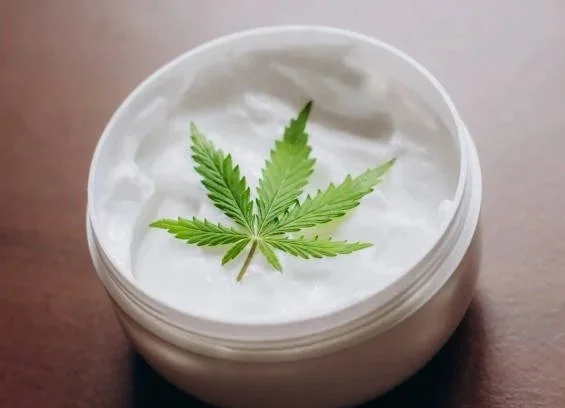
Products containing cannabidiol (CBD), the primary non-intoxicating component of cannabis, have become vastly more popular in recent years. Topical and transdermal CBD products including lotions, creams, and patches have seen massive growth and are available for purchase at major national retailers and online, including in states where cannabis remains illegal. Despite their increased availability, there is limited clinical research to understand how the body processes these products and whether these products may influence the results of drug tests. This study will evaluate the detection of CBD in drug testing results (in oral fluid, blood, hair, and urine) following acute and repeated exposure to topical CBD products in a controlled and sanitized environment.
If you are interested in participating in this study, please click here.
-
Participants must be at least 18 years old and have prior experience using cannabis/THC. Participants will complete a screening visit, and, if eligible, will then complete a one-week inpatient stay, residing at our research unit 24 hours per day for 7 days where a CBD topical product will be applied on each upper arm by a nurse twice daily. You will also be asked to come back to the laboratory one week after your inpatient stay to complete a follow-up visit. You can earn up to $2660 for completing this study.
Pre-Clinical Research Studies
Our research focuses on the behavioral pharmacology of cannabis constituents, as well as terpenes found in cannabis and other natural sources, which produce pharmacological effects on their own or in interaction with cannabinoids (i.e., ‘the entourage effect’). By testing isolated compounds and combinations in a range of behavioral tests, we aim to further understand the potential benefits and harms of cannabis and cannabis products.
Vaporized Cannabis Administration

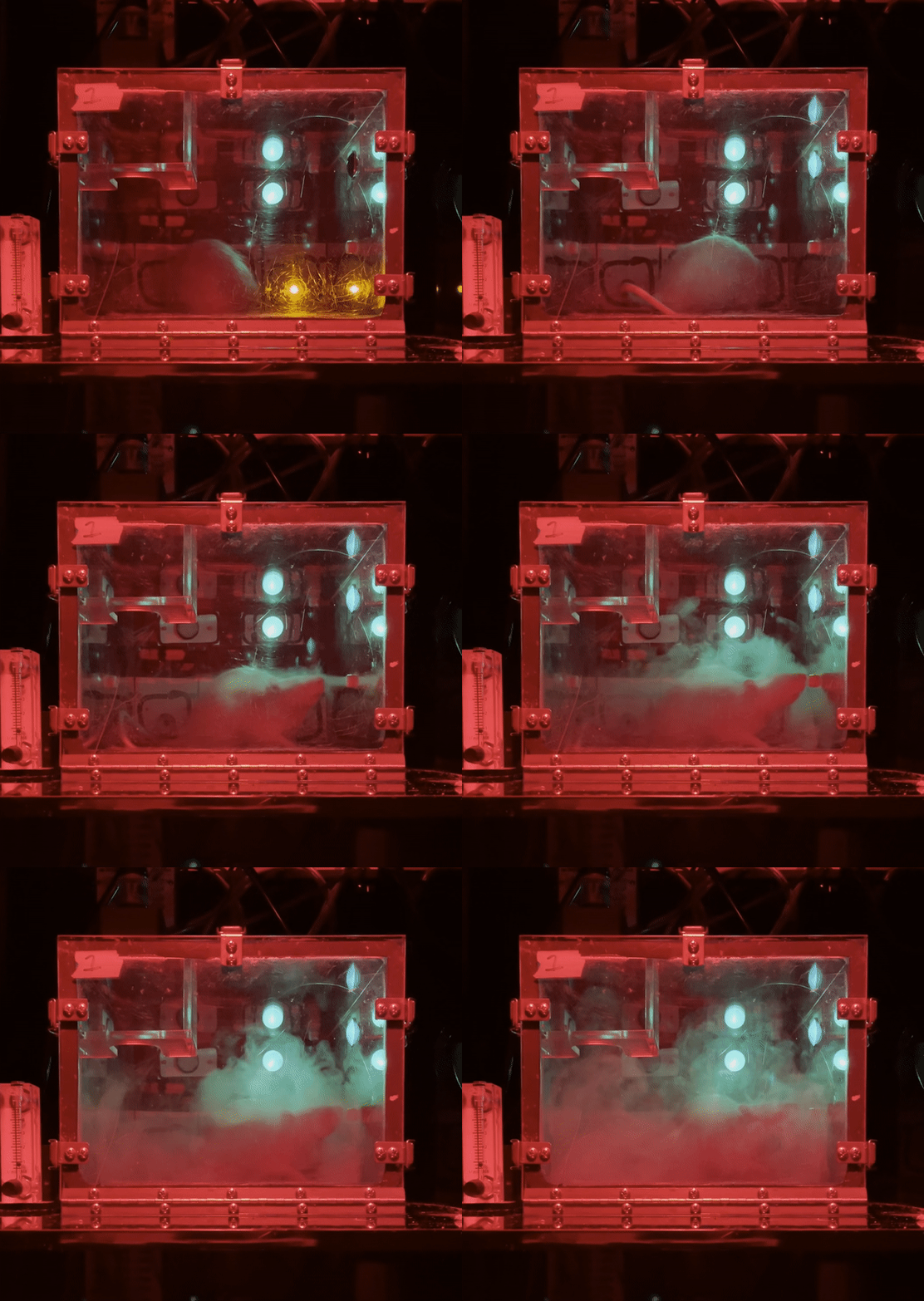
Inhalation (vaping and smoking) is the primary route of administration for cannabis and cannabinoid products. Our group has been working on developing methods for the administration of vaporized cannabinoids, starting with THC, in rodents.
The video (left) shows passive vaporized drug administration to a freely moving rat inside of a sealed rodent cage connected to a vacuum pump for continuous air exchange. Chambers are manufactured by La Jolla Alcohol Research Inc.

Schematic (above) of the passive vapor exposure chamber
Evaluation of Cannabis Constituents for Alleviating Pain

Cannabis and certain cannabinoids have been shown to have therapeutic benefits for pain. In a recent survey of medical cannabis users, the primary reason for use was to alleviate pain (61%). Our early studies demonstrated that acute doses of THC when vaped or ingested orally reduced pain sensitivity in a dose-related manner (although sex and strain differences were also observed). Future projects will evaluate the antinociceptive effects of other cannabis constituents.
The photo (right) shows a rat habituating on a test platform; von Frey hairs are then applied to the rat’s hindpaw in order to assess mechanical sensitivity threshold.
-
Our studies also often include screens of cannabinoids and cannabinoid combinations on standard tests of cannabinoid-receptor 1 mediated effects: the cannabinoid tetrad (tests of pain, hypothermia, locomotion, catalepsy). The test is grounded in early studies on the pharmacological validation of THC and synthetic CB1R agonists in rodents. THC and other cannabinoids produce phenotypic responses of antinociception, hypothermia, hypolocomotion, and catalepsy.
Cannabinoid Reward and Reinforcement
The abuse liability of a substance is predicted using drug reward and reinforcement procedures. The ‘gold standard’ procedures are place conditioning and drug self-administration. Our current research is developing rodent e-vape self-administration and place conditioning models to elucidate the rewarding and/or reinforcing effects and abuse liability of cannabis constituents. These rat models can inform medication development and assessments for cannabis use disorder.
The video (left) shows a rat responding for vaporized drug delivery on a fixed-ratio 1 schedule of reinforcement. Chambers are manufactured by La Jolla Alcohol Research, Inc.
-
In a recently completed project, we assessed the conditioned rewarding effects of THC vapor in male and female rats. In this study, male and female rats showed an exposure-dependent preference for the THC vapor-paired chamber, and sex differences were observed in the THC amount needed to produce CPP, as well as the time to extinction. Conditioned place aversion was not observed at any of the THC vapor conditions tested. Read the publication here.
In an ongoing project, we are assessing self-administration of THC vapor or propylene glycol vehicle under various schedules of reinforcement and at varying drug concentrations.
Neurocognitive Effects of Cannabis Constituents
Acute administration of cannabis and THC can produce motor and neurocognitive impairments, such as deficits in sustained attention and working memory. Neurocognitive performance after acute and chronic administration of cannabinoids using a series of tests, including the rodent Psychomotor Vigilance Test (rPVT) and the Y-Maze Spontaneous Alternation Test. The rPVT is commonly utilized as an objective risk assessment tool to quantify basic attention and neurocognitive function in laboratory, clinical, and operational settings. The Y-maze is a widely used behavioral test for studying spatial learning and memory in rodents.
Photo (right) shows a the Y-maze test.

-
In a recent study, we tested the effects of oral THC and CBD, alone and in combination, using the rodent Psychomotor Vigilance Task (rPVT). This is a sustained attention test that requires rats to monitor the location of a light stimulus that appears infrequently and to respond as quickly as possible to the onset of the light stimulus by depressing a nose-poke key; food reinforcement is earned for correct responses. A well documented side effect of acute administration of cannabis and THC is deficits in cognition and attention. CBD, a non-intoxicating constituent of cannabis, may modulate THC’s impairing effects. Read the publication here.
Ongoing Projects and Future Work

We have multiple ongoing projects aimed at looking at effects of cannabinoids and terpenes on:
Anxiety and stress
Appetite and food intake
Sleep and circadian rhythms
Opioid dependence